 Vancodermadmin
Risk Factors in Medical Aesthetic Procedures: When to Treat, Modify, or Postpone
Faramarz Rafie MD / Vancoderm Academy and College [VDA] / Vancoderm Clinic [VDCMed]
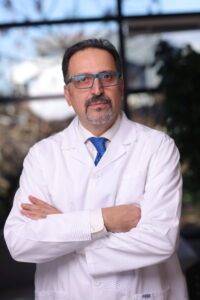 Medical aesthetic procedures are not simply about selecting a treatment and performing it. Every client should be assessed carefully before a procedure to identify potential risk factors, contraindications, and conditions that may affect treatment safety, healing, or clinical outcomes.
At Vancoderm Academy and College, we teach students to approach medical aesthetics from a clinical and evidence-based perspective. This means understanding not only how to perform a procedure, but also when it may be appropriate to proceed, when a treatment plan should be modified, and when treatment should be postponed or the client referred to an appropriate healthcare professional.
Common Risk Factors in Medical Aesthetic Procedures
Active skin infection
- Bacterial, viral, or fungal infection
- Cold sores/herpes outbreak
- Impetigo or other contagious skin conditions
Potential consequence: worsening infection, delayed healing, or spread of infection.
Active inflammation or significant skin irritation
- Severe dermatitis
- Active rosacea flare
- Significant erythema, swelling, or compromised skin barrier
Potential consequence: increased irritation, prolonged inflammation, or poor tolerance of treatment.
Open wounds or compromised skin barrier
- Cuts, abrasions, burns, ulceration, or recently injured skin
Potential consequence: increased infection risk and delayed healing.
Recent aesthetic or dermatological procedures
- Recent laser/IPL treatment
- Chemical peel
- Microneedling
- RF or RF Microneedling
- Dermabrasion or other exfoliating procedures
Potential consequence: excessive irritation, inflammation, or impaired recovery if another procedure is performed too soon.
Photosensitizing medications or products
- Certain medications can increase sensitivity to light-based treatments.
Potential consequence: increased risk of excessive erythema, burns, pigmentary changes, or other adverse reactions depending on the procedure.
Medications or conditions affecting bleeding or bruising
- Anticoagulant/antiplatelet medications or other relevant factors
Potential consequence: increased bruising or bleeding, particularly with procedures that penetrate or traumatize the skin.
History of abnormal or excessive scarring
- Previous keloids or hypertrophic scars
Potential consequence: abnormal scar formation following tissue injury.
History of hyperpigmentation or hypopigmentation
- Previous post-inflammatory hyperpigmentation (PIH)
- Previous pigmentary changes following procedures
Potential consequence: increased risk of prolonged or significant pigmentary alteration.
Recent sun exposure or tanning
- Recent tanning or significant UV exposure
Potential consequence: increased sensitivity and pigmentary complications with certain treatments, particularly energy-based procedures.
Use of certain active skincare ingredients
- Retinoids, exfoliating acids, or other products that may compromise or increase sensitivity of the skin depending on the procedure.
Potential consequence: excessive irritation or reduced tolerance.
Poor wound-healing considerations
- Certain systemic conditions, medications, nutritional issues, or other factors may affect healing.
Potential consequence: prolonged healing, infection, or delayed recovery.
Uncontrolled medical conditions
- A medical condition that is not adequately controlled may affect the safety of a procedure.
Potential consequence: increased procedural risk or impaired healing.
The practitioner should work within their scope of practice and determine when medical assessment or clearance is appropriate.
Pregnancy or breastfeeding
- Some procedures, medications, topical agents, and energy-based treatments may require postponement or additional assessment.
Potential consequence: treatment may not be appropriate due to insufficient safety information or specific treatment considerations.
History of herpes simplex
- Particularly relevant when procedures may trigger reactivation around the lips or other affected areas.
Potential consequence: herpes reactivation following certain procedures.
Unrealistic expectations
- Expecting complete correction, immediate results, or results beyond what the procedure can reasonably provide.
Potential consequence: dissatisfaction, inappropriate treatment escalation, or repeated procedures.
Recent injectable treatments or surgery
- Recent Botox, dermal fillers, threads, surgery, or other invasive treatments.
Potential consequence: additional inflammation, interference with healing, or complications if procedures are performed too close together.
Unknown or unexplained skin lesions
- A new, changing, suspicious, or unexplained lesion should not simply be treated cosmetically.
Appropriate action: assessment and referral when indicated rather than proceeding with an aesthetic procedure.
Client unable to follow pre- or post-treatment instructions
- For example, inability or unwillingness to follow wound care, sun protection, medication restrictions, or follow-up instructions.
Potential consequence: increased risk of complications or poor outcomes.
Understanding Risk Factors Before Treatment
Risk factors can vary depending on the procedure and the individual client. They may include factors related to the client’s medical history, medications, skin condition, healing capacity, recent procedures, active infections or inflammation, lifestyle factors, and other circumstances that may increase the potential for complications.
The presence of a risk factor does not always mean that treatment must automatically be cancelled. Instead, the practitioner should consider:
- What is the nature and severity of the risk factor?
- Is the risk temporary or ongoing?
- Could the planned procedure increase the risk of complications?
- Can the treatment parameters or treatment plan be appropriately modified?
- Is additional information or medical clearance required?
- Would postponing treatment provide a safer option?
- Is referral to another healthcare professional appropriate?
This clinical reasoning is an important part of responsible medical aesthetics practice.
Proceeding With Treatment or Choosing a Conservative Approach
Depending on the number, type, and significance of identified risk factors, there may be different appropriate approaches.
Option 1: Proceed With Appropriate Precautions
When the identified risk factors are minor, controlled, or otherwise compatible with the procedure, treatment may be considered with appropriate precautions.
This may involve modifying the treatment plan, selecting more conservative parameters, increasing monitoring, providing additional pre- and post-treatment instructions, or choosing a less aggressive treatment approach.
Option 2: Modify, Postpone, or Do Not Proceed
When risk factors indicate a higher potential for complications, the appropriate decision may be to take a conservative approach, postpone treatment, obtain additional medical information, or refer the client to an appropriate healthcare professional.
Postponing a procedure is not a failure to provide treatment. It can be an important part of safe clinical decision-making.
The goal is not simply to perform a procedure because it has been booked. The goal is to determine whether performing that procedure at that particular time is appropriate for that particular client.
Every Procedure Requires Its Own Risk Assessment
Risk management cannot be separated from the specific procedure being performed.
A risk factor that may be acceptable for one treatment may be inappropriate for another. The depth, energy, thermal effect, degree of tissue disruption, treatment area, and expected healing response can all influence the level of risk.
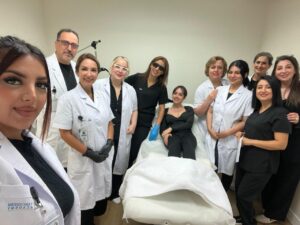 For this reason, Vancoderm Academy students are trained to evaluate cases according to the specific procedure and the client’s individual circumstances.
Students learn not only the technical steps of procedures, but also how to recognize potential concerns, assess the situation within their scope of practice, determine when a conservative approach may be appropriate, and understand when treatment should be postponed or referral should be considered.
Why Hands-On Medical Aesthetics Education Matters
Medical aesthetics requires more than learning treatment protocols from a short course or completing theoretical material online.
Knowledge is essential, but clinical skills develop through supervised practice, repeated hands-on experience, observation, assessment, and exposure to different client presentations.
At Vancoderm Academy and College, our Medical Aesthetics Diploma program is designed around this principle. Students learn in person, work with real models, practice procedures under professional instruction, and develop the practical skills required to assess and manage different situations.
The difference is not simply the number of procedures taught. It is the development of clinical thinking, technical competency, patient assessment, safety awareness, and professional judgment.
A practitioner needs to understand what they are doing, why they are doing it, and when they should not do it.
Building Real Experience and Clinical Confidence
Medical aesthetics is a field where experience matters. A student may understand the theoretical principles of a treatment, but applying those principles to a real person requires additional skills.
Real clients and models can present with different skin conditions, sensitivities, histories, expectations, and risk factors. Students need opportunities to learn how to assess these differences and adapt their approach appropriately under supervision.
This is why comprehensive, in-person education can provide a different learning experience from relying solely on short courses or online training.
At Vancoderm Academy and College, our objective is to prepare students with a medical academic approach to aesthetics, combining theoretical knowledge with supervised hands-on training and practical experience.
Medical aesthetics is not only about learning how to perform a procedure.
It is also about learning when to perform it, when to modify it, when to take a conservative approach, and when to postpone or refer.
That is an essential part of becoming a competent medical aesthetics practitioner.
Vancoderm Academy and College — where medical aesthetics education combines knowledge, hands-on training, clinical assessment, and real-world experience.