 Vancodermadmin
Koilonychia (Spoon Shape Nails)
 Faramarz Rafie MD / Vancoderm Academy and College (VDA) / Vancoderm Clinic (VDCMED)
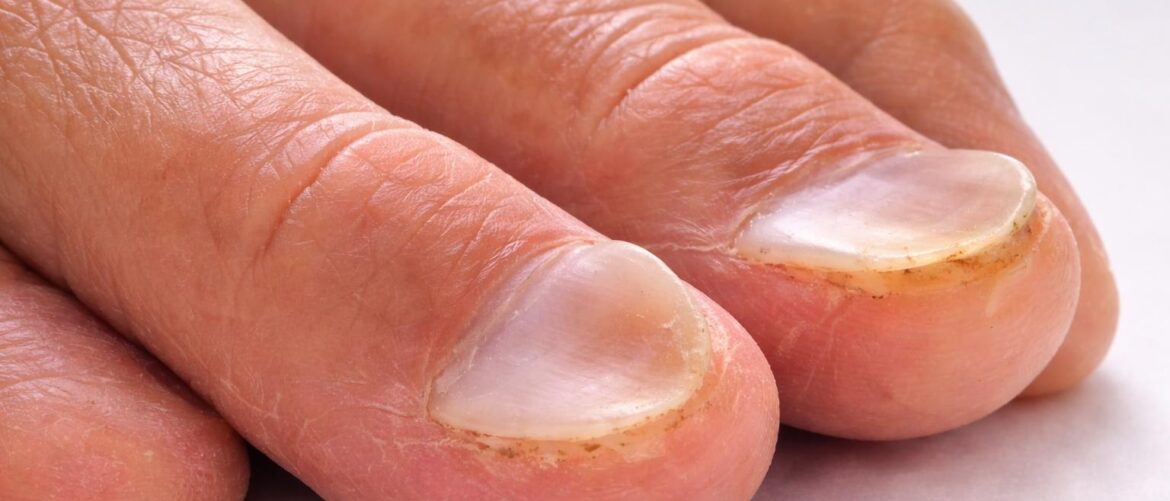
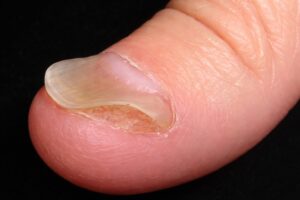
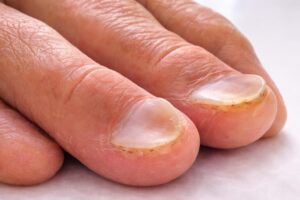
Koilonychia, commonly referred to as spoon nails, is a nail plate deformity characterized by abnormal concavity of the nail, in which the central portion of the nail plate is depressed and the lateral edges are everted. In advanced cases, the nail may be sufficiently concave to hold a drop of liquid. Koilonychia can affect fingernails, toenails, or both, and may present as an isolated nail finding or as a clinical sign of an underlying local or systemic disorder.
From a medical standpoint, koilonychia reflects alterations in nail matrix keratinization, nail plate thickness, or structural support, often secondary to nutritional deficiencies, dermatologic disease, occupational exposure, or systemic illness.
 Etiologies
Koilonychia is multifactorial and can be classified into congenital, acquired, local, and systemic causes:
Nutritional and Hematologic Causes
-
- Iron deficiency anemia (most common association)
- Chronic iron depletion without overt anemia
- Malnutrition or poor dietary intake
- Malabsorption syndromes (e.g., celiac disease)
Dermatologic and Local Nail Disorders
-
- Chronic paronychia
- Onychomycosis (fungal nail infection)
- Nail psoriasis (less common presentation)
- Repeated trauma to the nail matrix
Systemic and Medical Conditions
-
- Hypothyroidism and other endocrine disorders
- Hemochromatosis (rare paradoxical association)
- Chronic inflammatory or autoimmune diseases
- Cardiopulmonary disease causing chronic hypoxia (rare)
Occupational and Environmental Factors
-
- Prolonged exposure to water, detergents, or chemicals
- Repetitive mechanical stress (e.g., cleaning, healthcare, beauty services)
- Contact with petroleum-based products
Congenital and Idiopathic Forms
-
- Congenital koilonychia (often resolves spontaneously)
- Idiopathic cases with no identifiable cause
Mechanism of Disease (Pathophysiology)
The normal nail plate derives its strength and curvature from balanced keratinization within the nail matrix and appropriate attachment to the nail bed. In koilonychia, this balance is disrupted due to:
-
- Defective keratin synthesis, leading to thinning and softening of the nail plate
- Altered nail matrix growth, resulting in uneven longitudinal and transverse forces
- Reduced structural support from the nail bed
In iron deficiency, reduced availability of iron-dependent enzymes impairs epithelial cell proliferation and keratin formation, producing a thin, pliable nail plate that bends upward at the edges. Chronic local inflammation or trauma can similarly disrupt matrix function, leading to concave nail growth.
How to Identify Koilonychia (Clinical Identification)
Koilonychia is primarily a clinical diagnosis, identified through inspection and patient history.
Key Clinical Features
-
- Central depression of the nail plate
- Upward-curving lateral edges
- Thin, soft, and brittle nails
- Nails may retain water droplets in advanced cases
Assessment Considerations for Practitioners
-
- Distribution: fingernails vs. toenails; unilateral vs. bilateral
- Onset: gradual or congenital
- Associated signs: pallor, fatigue, hair thinning, skin changes
- Occupational exposure and grooming habits
Referral Indicators
-
- Sudden onset or progressive worsening
- Associated systemic symptoms
- Suspicion of anemia or endocrine disease
Laboratory investigations (e.g., CBC, ferritin, iron studies, thyroid function tests) may be indicated and should be ordered by a licensed medical practitioner.
Differential Diagnosis (Important Distinctions)
When evaluating koilonychia, it is essential to differentiate it from other nail plate abnormalities that may appear similar:
- Onycholysis: Separation of the nail plate from the nail bed without true spooning.
- Platonychia: Abnormally flat nails without concavity.
- Trachyonychia: Rough, sandpaper-like nails often associated with alopecia areata or lichen planus.
- Pincer nails: Excessive transverse curvature (opposite of koilonychia).
- Onychoschizia: Lamellar splitting rather than concavity.
Correct differentiation prevents misinterpretation of cosmetic nail changes as systemic disease.
Stages and Severity
Koilonychia may progress through identifiable stages:
- Early Stage: Mild flattening and thinning of the nail plate.
- Moderate Stage: Visible central depression with fragile nail edges.
- Advanced Stage: Deep concavity capable of retaining liquid, marked brittleness, and frequent breakage.
Early-stage identification allows for faster correction and improved outcomes.
Pediatric vs Adult Koilonychia
- Infants and children: Congenital koilonychia may be present at birth and often resolves spontaneously within the first few years of life without intervention.
- Adults: New-onset koilonychia should always prompt evaluation for nutritional deficiencies, chronic disease, or occupational exposure.
Persistent adult-onset spoon nails should never be considered benign without investigation.
 Diagnostic Workup
While nail professionals do not diagnose systemic disease, awareness of the medical workup is essential:
- Complete blood count (CBC)
- Serum ferritin and iron studies
- Vitamin B12 and folate (if anemia suspected)
- Thyroid function tests
- Evaluation for gastrointestinal blood loss or malabsorption
These assessments are conducted by physicians or nurse practitioners following appropriate referral.
Evidence-Based Treatment Outcomes
- Iron repletion typically results in normalization of nail shape within 6–12 months, depending on nail growth rate.
- Topical treatments alone do not correct true koilonychia unless the underlying cause is addressed.
- Occupational modification significantly improves outcomes in exposure-related cases.
Patient education regarding realistic timelines is essential to maintain compliance.
Cosmetic and Aesthetic Considerations
- Temporary cosmetic camouflage may be used but must not mask signs requiring referral.
- Hard nail overlays or aggressive acrylic systems are not recommended in active koilonychia due to increased risk of nail plate damage.
- Strengthening treatments should prioritize hydration and barrier repair rather than rigidity.
Educational and Ethical Considerations for Medical Aesthetic Practice
Practitioners must:
- Document abnormal nail findings
- Avoid diagnosing systemic disease
- Provide clear, professional referrals
- Educate clients without causing alarm
This aligns with scope-of-practice standards and professional ethics.
Prevention Strategies
Prevention focuses on addressing modifiable risk factors and maintaining nail and systemic health:
-
- Adequate dietary intake of iron, protein, and essential micronutrients
- Early identification and treatment of iron deficiency
- Protective gloves during wet work or chemical exposure
- Avoidance of repetitive nail trauma
- Proper nail trimming and hygiene
- Management of chronic dermatologic or systemic conditions
Education is particularly important for clients in healthcare, cleaning, and aesthetic professions who are at higher risk due to occupational exposure.
Treatment and Management
Treatment of koilonychia depends on the underlying cause rather than the nail change alone.
Medical Management
-
- Iron supplementation for confirmed iron deficiency (under medical supervision)
- Treatment of underlying systemic or endocrine disorders
- Antifungal therapy if onychomycosis is present
Supportive and Nail Care Management
-
- Gentle nail care and avoidance of aggressive manicuring
- Use of emollients to improve nail flexibility
- Temporary cosmetic correction where appropriate
Monitoring and Prognosis
With appropriate treatment of the underlying cause, koilonychia is often reversible, though visible improvement may take several months due to slow nail growth. Persistent or untreated cases warrant further medical evaluation.
Role of Medical Aesthetics Professionals
Medical aestheticians and nail professionals play a critical role in early detection, client education, and appropriate referral. Recognizing koilonychia as a potential sign of systemic disease reinforces the importance of interprofessional collaboration and ethical practice.
 About Our Clinical Practitioner Specialist Diploma in Medical Aesthetics
The Clinical Practitioner Specialist Diploma in Medical Aesthetics at Vancoderm Academy and College represents one of Canada’s most comprehensive and advanced post-secondary training pathways in the medical aesthetics field. As a recognized leader and pioneer in professional aesthetics education, Vancoderm integrates nail science, advanced hand and foot care, and clinical skin health into a unified, evidence-based diploma curriculum.
This program uniquely includes specialized Nail, Hand, and Foot Care courses, ensuring graduates possess not only cosmetic proficiency but also a strong clinical understanding of nail disorders, infection control, dermatologic assessment, and client safety. The diploma is distinguished by its high-quality, intensive hands-on training and structured practicum, delivered in a real clinical learning environment under expert supervision.
Through this applied educational model, graduates emerge as knowledgeable, highly skilled, and practice-ready professionals, prepared to be confidently hired in medical aesthetic clinics or to responsibly establish and operate their own businesses.
We sincerely thank our readers and professional community for their continued trust and support. We invite you to follow Vancoderm Academy and College on Instagram, LinkedIn, and Facebook to stay connected with our latest educational insights, program updates, and industry advancements.
We wish you a Merry Christmas and a Happy New Year 2026 in advance, and we look forward to continuing to support your professional growth in the year ahead.