
 Vancodermadmin
Skin Tanning: Medical Mechanisms, Risks, and Long-Term Dermatologic Consequences
 Faramarz Rafie MD / Vancoderm Academy and College (VDA) / Vancoderm Clinic (VDCMed)
Introduction
Skin tanning is widely perceived as a cosmetic enhancement; however, in dermatological science it is recognized as a biological defense response to ultraviolet (UV) radiation–induced skin injury. When skin is exposed to ultraviolet radiation from sunlight or artificial sources, a cascade of molecular and cellular events is triggered in order to protect the deeper tissues from further damage.
From a clinical perspective, a tan is evidence that DNA damage has already occurred in epidermal cells, prompting melanocytes to increase melanin production as a protective mechanism. While melanin offers partial protection by absorbing and scattering UV radiation, it does not completely prevent cellular mutation or long-term structural damage.
Understanding the biological mechanisms, pathological effects, and long-term dermatologic consequences of tanning is essential in modern dermatology and medical aesthetics.
1. Structure of the Skin and UV Interaction
Human skin consists of three major layers:
Epidermis
The outermost protective barrier composed mainly of keratinocytes and melanocytes.
Key functions include:
- Protection against environmental stressors
- UV absorption through melanin
- Regulation of pigmentation
Dermis
Located beneath the epidermis, the dermis contains:
- Collagen fibers
- Elastin fibers
- Blood vessels
- Sebaceous glands
- Hair follicles
The dermis provides structural support, elasticity, and nutrient supply to the skin.
Hypodermis (Subcutaneous Layer)
The deepest layer composed primarily of adipose tissue, functioning as insulation and shock absorption. UV radiation penetrates the skin at different depths depending on the wavelength.
Types of Ultraviolet Radiation
Ultraviolet (UV) radiation is classified into three primary categories based on wavelength and biological effects on human skin: UVA, UVB, and UVC.
UVA radiation has wavelengths ranging from 320 to 400 nanometers and penetrates deeply into the skin, reaching the dermis layer. It is primarily responsible for photoaging, which includes wrinkles, loss of skin elasticity, and premature skin aging. UVA radiation also contributes to indirect DNA damage through the formation of reactive oxygen species (ROS), which can alter cellular structures and accelerate skin deterioration.
UVB radiation has wavelengths between 290 and 320 nanometers and mainly affects the epidermis, the outermost layer of the skin. It is the primary cause of sunburn (erythema) and plays a significant role in direct DNA mutations in skin cells. UVB radiation is strongly associated with the development of various forms of skin cancer, including basal cell carcinoma, squamous cell carcinoma, and melanoma.
UVC radiation has the shortest wavelengths, ranging from 100 to 290 nanometers. Fortunately, UVC radiation is almost completely absorbed by the Earth’s ozone layer and atmosphere, preventing it from reaching the surface under normal environmental conditions. As a result, it typically does not pose a direct risk to human skin from natural sunlight, although it can be produced artificially in certain industrial or medical devices.
Together, UVA and UVB radiation represent the primary ultraviolet wavelengths responsible for skin damage, premature aging, and carcinogenic effects associated with sun exposure.
 Biological Mechanism of Skin Tanning
When UV radiation penetrates the epidermis, several biological processes occur.
DNA Damage
UV radiation damages DNA in keratinocytes by forming cyclobutane pyrimidine dimers (CPDs) and other photoproducts. These alterations can interfere with DNA replication and cell division.
Activation of p53 Tumor Suppressor
The tumor suppressor protein p53 becomes activated in response to DNA damage. This protein:
-
Initiates DNA repair mechanisms
-
Stimulates melanocyte signaling
-
Triggers apoptosis if damage is severe
Melanin Production
Keratinocytes release signaling molecules that stimulate melanocytes to produce melanin via melanogenesis.
The enzyme tyrosinase converts the amino acid tyrosine into melanin through a multistep biochemical pathway.
Types of melanin include:
-
Eumelanin – brown/black pigment, stronger UV protection
-
Pheomelanin – red/yellow pigment, weaker UV protection
Melanin is packaged into melanosomes and transferred to keratinocytes, creating visible skin darkening.
Acute Effects of Ultraviolet (UV) Exposure
Short-term exposure to excessive ultraviolet (UV) radiation can result in immediate damage to the skin, commonly referred to as the acute effects of UV exposure. One of the most common and clinically recognized acute reactions is sunburn, medically known as solar erythema.
Sunburn occurs as an inflammatory response of the skin to UVB radiation, which damages epidermal cells, particularly keratinocytes. When these cells are injured by UV radiation, the body initiates an inflammatory cascade designed to repair the damaged tissue and remove compromised cells. This biological response leads to the visible and symptomatic changes associated with sunburn.
Clinically, sunburn presents with several characteristic symptoms. The affected skin typically becomes red (erythema) due to increased blood flow to the damaged area. Patients often experience heat and swelling, as well as pain or tenderness, resulting from inflammatory mediators and nerve irritation within the skin. In more severe cases, blistering may occur, indicating deeper tissue injury. As the damaged skin cells begin to shed and regenerate, skin peeling (desquamation) frequently follows during the healing process.
The inflammatory response associated with sunburn is driven by the release of several biochemical mediators, including prostaglandins, cytokines, and histamine. These substances promote vasodilation, inflammation, and immune activity in the affected skin tissues.
Although sunburn is often temporary, repeated or severe sunburn episodes can have significant long-term consequences. Epidemiological studies have demonstrated that individuals who experience multiple severe sunburns, particularly during childhood or adolescence, have a significantly increased risk of developing melanoma, the most aggressive and potentially life-threatening form of skin cancer.
Photoaging: Chronic Ultraviolet (UV) Damage
Long-term exposure to ultraviolet (UV) radiation results in photoaging, a process of premature skin aging caused primarily by environmental factors, particularly sun exposure. Photoaging differs from chronological aging, which is the natural aging process determined by genetic and biological factors. While chronological aging occurs gradually over time, photoaging accelerates skin deterioration due to repeated and prolonged exposure to UV radiation.
Mechanism of Photoaging
The primary contributor to photoaging is UVA radiation, which penetrates deeply into the dermal layer of the skin. UVA exposure stimulates the production of enzymes known as matrix metalloproteinases (MMPs). These enzymes degrade essential structural proteins, particularly collagen fibers, which are responsible for maintaining the skin’s firmness and strength.
At the same time, chronic UV exposure produces several additional detrimental effects within the dermis. It reduces fibroblast activity, which limits the skin’s ability to repair and regenerate connective tissue. Fibroblasts are critical for producing collagen and other extracellular matrix components, and their reduced function contributes to progressive structural weakening of the skin.
Furthermore, UV radiation decreases collagen synthesis, preventing adequate replacement of degraded collagen fibers. It also damages elastin networks, which are responsible for the skin’s elasticity and resilience. Over time, these combined effects lead to a gradual breakdown of the skin’s supportive framework.
Clinical Signs of Photoaging
The structural damage caused by chronic UV exposure produces several visible dermatological changes. Individuals affected by photoaging commonly develop deep wrinkles and fine lines due to collagen degradation. The skin may also exhibit laxity, or loss of firmness, as elastin fibers become damaged.
Additional clinical features include coarse or rough skin texture, reflecting cumulative environmental injury. Small dilated blood vessels known as telangiectasia may become visible on the skin surface due to vascular changes. Another common manifestation is the appearance of solar lentigines, often referred to as age spots, which are localized areas of increased pigmentation caused by prolonged UV exposure.
Research in dermatology indicates that up to 90% of visible facial aging is associated with chronic ultraviolet exposure, highlighting the significant role of sun protection in maintaining long-term skin health and preventing premature aging.
Pigmentation Disorders Caused by Ultraviolet (UV) Radiation
Excessive and prolonged exposure to ultraviolet (UV) radiation can significantly disrupt the normal function of melanocytes, the pigment-producing cells in the epidermis. This disruption can lead to various pigmentation disorders, which are not only cosmetic concerns but also indicators of underlying skin damage. These disorders result from abnormal melanin production, localized melanocyte proliferation, or inflammatory stimulation, and they often become more pronounced with cumulative UV exposure.
Skin Cancer and Ultraviolet (UV) Exposure
Ultraviolet (UV) radiation is recognized as the primary environmental risk factor for the development of skin cancer. Both natural sunlight and artificial sources of UV radiation, such as tanning beds, can induce DNA damage in skin cells, triggering mutations that may ultimately lead to malignant transformation. Chronic and intense UV exposure affects different types of skin cells, giving rise to distinct forms of skin cancer.
Basal Cell Carcinoma (BCC)
Basal cell carcinoma (BCC) is the most common form of skin cancer. It originates from the basal cells of the epidermis, which are responsible for producing new keratinocytes. BCC typically grows slowly and rarely metastasizes; however, it can be locally invasive and destructive, eroding surrounding tissue if left untreated. Clinical presentation often includes pearly nodules, visible blood vessels (telangiectasia), or ulcerated lesions on sun-exposed areas such as the face and neck.
Squamous Cell Carcinoma (SCC)
Squamous cell carcinoma (SCC) arises from keratinocytes in the epidermis. SCC is strongly associated with cumulative sun exposure over time and is more common in older adults. Unlike BCC, SCC has a higher potential to metastasize, particularly if the lesion is large, poorly differentiated, or located on high-risk areas like the lips or ears. Early detection and treatment are crucial to prevent systemic spread.
Melanoma
Melanoma develops from the malignant transformation of melanocytes, the pigment-producing cells of the epidermis. Melanoma is the most aggressive and potentially life-threatening form of skin cancer due to its high metastatic potential.
Risk factors for melanoma include:
-
Intense, intermittent sun exposure, often leading to severe sunburns
-
History of multiple sunburns, particularly in childhood or adolescence
-
Fair skin types (Fitzpatrick I–II), which have less melanin protection
-
Genetic predisposition and family history of melanoma
Melanoma can present as an irregularly pigmented lesion with asymmetry, border irregularity, color variation, diameter enlargement, or evolution over time (ABCDE criteria). Early diagnosis and treatment significantly improve survival outcomes.
Solar Lentigines
Solar lentigines, commonly known as sunspots or age spots, are one of the most common pigmentation disorders caused by chronic UV exposure. These lesions are characterized by well-defined, brownish macules that usually appear on sun-exposed areas such as the face, hands, shoulders, and forearms.
The pathophysiology involves localized proliferation of melanocytes and increased melanin deposition within the basal layer of the epidermis. Over time, the accumulation of melanin in these areas becomes more pronounced due to repeated UV exposure, leading to the characteristic spots. Although solar lentigines are generally benign, they are a visible marker of photoaging and cumulative skin damage, and they may coexist with other UV-induced dermatological changes.
Melasma
Melasma is a chronic hyperpigmentation disorder that manifests as irregularly shaped, dark patches, primarily on the face, including the cheeks, forehead, upper lip, and jawline. Unlike solar lentigines, melasma is multifactorial in origin. Its development is influenced by:
-
Ultraviolet (UV) exposure: UVA and UVB radiation stimulate melanocyte activity and exacerbate pigmentation.
-
Hormonal changes: Fluctuations in estrogen and progesterone, often during pregnancy or hormone therapy, increase melanin production.
-
Genetic predisposition: Individuals with darker skin types (Fitzpatrick III–VI) or a family history of melasma are more susceptible.
Melasma is particularly challenging to manage because the pigmentation often recurs with UV exposure and hormonal changes. Effective treatment requires combining sun protection, topical depigmenting agents, and sometimes procedural interventions under professional guidance.
Post-Inflammatory Hyperpigmentation (PIH)
Post-inflammatory hyperpigmentation (PIH) occurs when skin inflammation or injury stimulates melanocyte activity, leading to localized darkening of the affected area. PIH can develop following:
-
Acne lesions
-
Eczema or dermatitis flare-ups
-
Minor skin trauma or surgical procedures
-
Cosmetic treatments such as chemical peels or laser therapy
In PIH, melanocytes produce excess melanin in response to inflammatory cytokines and oxidative stress, which is then deposited in the epidermis or dermis. This results in darker patches that may persist for weeks or months if not treated appropriately. Individuals with darker skin tones are particularly prone to PIH because their melanocytes are more reactive to inflammatory stimuli.
Artificial Tanning and Indoor Tanning Beds
Indoor tanning devices expose users to concentrated UVA radiation.
Medical evidence shows that tanning beds:
- Increase melanoma risk by 20–75% depending on age of first use
- Accelerate skin aging
- Cause long-term DNA mutations
Many health authorities discourage or regulate indoor tanning due to these risks.
Prevention and Skin Protection Strategies
Preventing ultraviolet (UV) radiation–induced skin damage is the most effective approach to maintaining healthy, youthful skin and reducing the risk of photoaging, pigmentation disorders, and skin cancer. Effective prevention focuses on minimizing UV exposure and reinforcing the skin’s natural protective mechanisms through behavioral, topical, and environmental strategies.
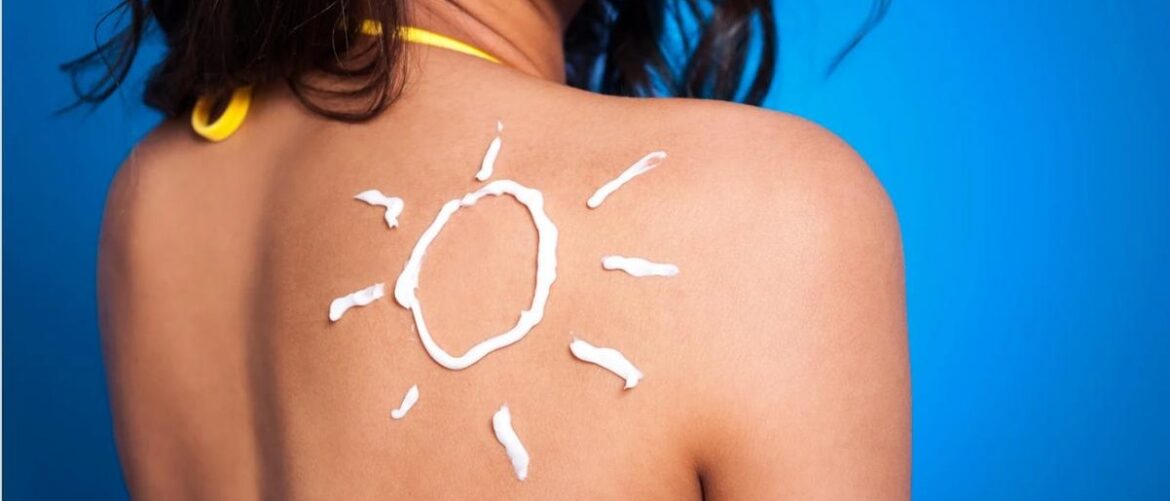
 Sunscreen
Broad-spectrum sunscreen is a cornerstone of UV protection. Dermatologists recommend using a sun protection factor (SPF) of 30 to 50, which provides effective coverage against both UVA and UVB radiation.
Proper sunscreen use involves:
-
Application timing: Apply sunscreen 15–20 minutes before sun exposure to allow the active ingredients to bind and form an effective protective layer.
-
Reapplication: Reapply every two hours, or immediately after sweating, swimming, or towel drying, to maintain adequate protection.
-
Quantity: Use a sufficient amount, approximately 2 milligrams per square centimeter of skin, to ensure full coverage. Many individuals underestimate the amount needed, reducing the effectiveness of protection.
Sunscreen not only prevents sunburn but also reduces cumulative DNA damage, photoaging, and pigmentation irregularities associated with chronic UV exposure.
Additional Protective Measures
In addition to sunscreen, behavioral and physical protection further reduces UV exposure:
-
Wide-brim hats: Shield the face, neck, and ears from direct sunlight.
-
UV-blocking sunglasses: Protect the eyes and the delicate periocular skin from UVA and UVB rays.
-
Protective clothing: Long sleeves, pants, and UV-protective fabrics provide a barrier against harmful rays.
-
Seeking shade: Avoid direct sun exposure during peak UV hours (10 a.m. – 4 p.m.), when radiation intensity is highest.
Combining these measures provides comprehensive protection against both immediate and cumulative UV damage.
Role of Medical Aesthetics in Treating Sun Damage
Despite preventive efforts, some individuals may still experience UV-induced skin damage such as wrinkles, pigmentation irregularities, and loss of skin elasticity. Modern medical aesthetic treatments offer evidence-based interventions to repair, restore, and rejuvenate the skin.
Common treatments include:
-
Chemical peels: Use controlled exfoliation to remove damaged epidermal layers and promote regeneration.
-
Laser resurfacing: Targets damaged skin with precise energy to stimulate collagen production and reduce pigmentation.
-
Intense pulsed light (IPL) therapy: Reduces sunspots, redness, and superficial pigmentation irregularities.
-
Microneedling: Induces controlled dermal injury to stimulate fibroblast activity and collagen remodeling.
-
Medical-grade topical retinoids: Promote cellular turnover, improve pigmentation, and enhance dermal structure.
These therapies aim to:
-
Stimulate collagen and elastin production, restoring skin firmness and elasticity.
-
Reduce pigmentation irregularities such as sunspots, melasma, or post-inflammatory hyperpigmentation.
-
Improve overall skin texture and tone, resulting in healthier, more youthful-looking skin.
While medical aesthetic interventions can effectively treat existing sun damage, prevention through sun protection remains the most critical strategy for long-term skin health. A combination of daily sun safety, behavioral modifications, and professional treatments ensures optimal protection and restoration of the skin.
 About Vancoderm Academy & College
Vancoderm Academy & College is a recognized leader in Medical Aesthetics education in Canada, dedicated to training the next generation of skilled practitioners with a focus on real-world competence and professional confidence. The academy provides students with innovative teaching methods, cutting-edge technologies, and hands-on practical training, ensuring they are fully prepared to meet the evolving demands of the medical aesthetics industry.
Our Clinical Practitioner Specialist Diploma in Medical Aesthetics is designed to equip students with both theoretical knowledge and practical expertise. The next intake is scheduled for April 01, 2026, offering aspiring professionals an opportunity to advance their careers in a supportive, high-tech learning environment.
We sincerely thank our readers and supporters for their interest and encouragement. Stay connected with us and follow our latest updates, tips, and programs on Instagram, LinkedIn, Facebook, and TikTok to join our growing community of medical aesthetics professionals.