
 Vancodermadmin
Stretch Marks and Skin Laxity After Weight Fluctuations and Pregnancy
 LEILA SATTARIAN Medical Aesthetician / Vancoderm Academy & College (VDA) / Vancoderm Clinic (VDCMed)
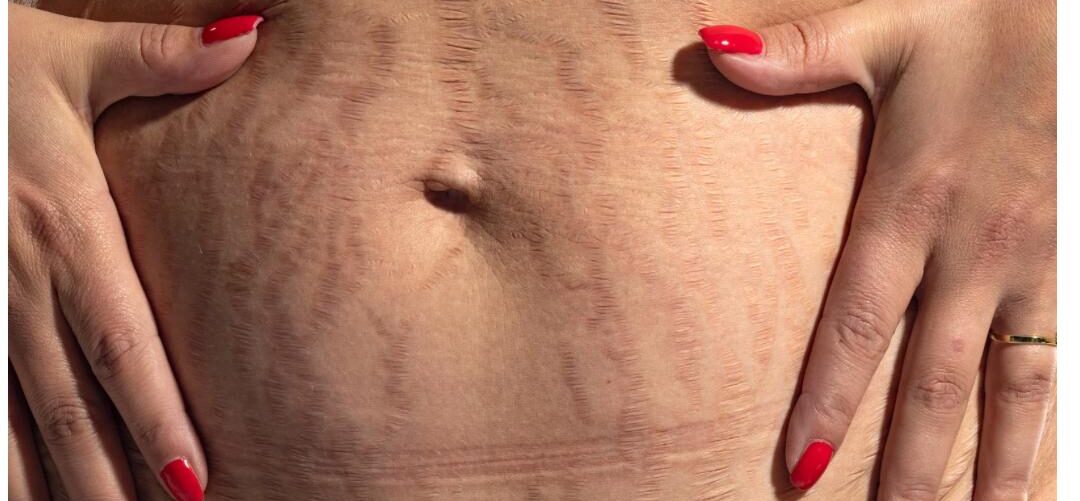
This week, Leila from our Education Department discusses a common skin condition, presenting a comprehensive, evidence-based overview of stretch marks (Striae Distensae). Stretch marks are acquired dermal scars caused by mechanical skin stretching and neurohormonal influences, resulting in collagen and elastin fiber fragmentation within the reticular dermis. Clinically, they evolve from inflammatory Striae Rubrae to chronic, atrophic Striae Albae, and although medically benign, they represent a frequent aesthetic concern due to permanent dermal structural alteration.
I highly recommend our readers review this informative feature.
A Medical & Clinical Approach to Diagnosis and Treatment
Introduction
Significant weight changes, whether from weight gain, weight loss, or pregnancy, can profoundly affect the structure and integrity of the skin. Two of the most common long-term concerns are stretch marks (striae) and skin laxity, both reflecting structural damage to the dermal extracellular matrix.
While often considered cosmetic, these conditions represent true dermal injury and require a medical, layered treatment approach rather than surface level skincare alone.
Understanding Skin Structure and Elasticity
Healthy skin depends on:
- Collagen fibers (strength and firmness)
- Elastin fibers (stretch and recoil)
- Ground substance (hydration and cellular signaling)
Rapid or excessive mechanical stretching overwhelms the skin’s ability to adapt, leading to micro-tears and degeneration of collagen and elastin, especially in the reticular dermis. Genetics and family history can make some individuals more prone to stretch marks and skin laxity, even with minimal stretching.
Stretch Marks (Striae Distensae)
What Are Stretch Marks?
Stretch marks are linear dermal scars resulting from rapid skin stretching combined with hormonal influences that impair fibroblast function.
They commonly appear on:
- Abdomen
- Thighs
- Hips
- Buttocks
- Breasts
- Arms
Pregnancy is one of the most common triggers due to rapid abdominal growth and hormonal changes that soften connective tissue.
Pathophysiology
Stretch marks form due to:
- Mechanical overstretching of skin
- Reduced fibroblast activity
- Collagen and elastin fiber rupture
- Inflammatory changes in early stages
Clinical Stages:
Striae Rubrae (early stage)
- Red, pink, or purple
- Active inflammation
- Higher response to treatment
Striae Albae (chronic stage) 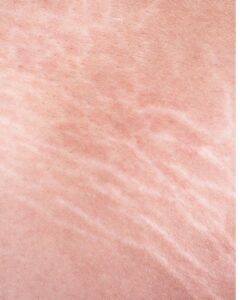
- White, silvery, atrophic
- Dermal thinning
- More challenging to treat
Risk Factors
- Rapid weight gain or loss
- Pregnancy
- Puberty
- Corticosteroid use
- Hormonal imbalance
- Family history / genetics: Some individuals are naturally more prone to stretch marks or skin laxity due to inherited differences in skin elasticity and collagen structure. Knowing your family history can help guide early preventive care and treatment.
Pregnancy: Prevention & Postpartum Care
Pregnancy is one of the most common times for stretch marks to develop. Women with a family history of stretch marks are at higher risk, so early preventive measures are especially important.
Prevention during pregnancy:
- Gentle daily moisturizing to maintain skin hydration
- Gradual, controlled weight gain
- Balanced nutrition to support collagen and elastin production
- Staying hydrated
- Avoiding excessive corticosteroid creams
- Early use of pregnancy-safe topical treatments can help reduce the severity of stretch marks
Postpartum treatment:
- Microneedling with growth factors or PRP
- RF-based skin tightening
- Medical-grade topical therapies (retinoids postpartum, peptides)
- Combination approaches tailored to skin type and stretch mark stage
Early postpartum intervention usually achieves better results, especially for Striae Rubrae.
Skin Laxity After Weight Gain & Weight Loss
Why Does Skin Become Loose?
Skin laxity occurs when elastic recoil capacity is exceeded. After prolonged stretching, the elastin network becomes fragmented and fails to retract fully—even after fat volume is reduced.
This is especially common after:
- Significant weight loss
- Repeated weight cycling (yo-yo dieting)
- Pregnancy
- Aging combined with volume changes
Contributing Factors
- Loss of dermal collagen density
- Elastin fiber degradation
- Reduced fibroblast activity with age
- Decreased microcirculation
- Nutritional deficiencies
- Genetics / family tendency
Clinical Assessment: A Medical Approach
A proper evaluation must include:
Skin Quality Analysis
- Thickness
- Elastic recoil
- Degree of crepiness
- Presence of fibrosis
Type of Stretch Marks
- Active vs mature
- Color and depth
- Distribution pattern
Degree of Laxity
- Mild
- Moderate
- Severe (may require surgical referral)
Patient Factors
- Age
- Hormonal status
- Weight stability
- Pregnancy history
- Lifestyle and nutrition
- Family history / genetic predisposition
- Treatment expectations
Treatment Principles
There is no single treatment that fully eliminates stretch marks or laxity. Optimal outcomes require:
- Dermal remodeling
- Controlled thermal stimulation
- Collagen and elastin regeneration
- Combination therapy
- Consistency over time
Non-Surgical Treatment Modalities
Radiofrequency (RF) Skin Tightening
RF delivers controlled heat into the dermis, leading to:
- Immediate collagen fiber contraction
- Long-term neocollagenesis
- Improved skin firmness and texture
Indications:
- Skin laxity
- Post-weight-loss crepiness
- Postpartum skin tightening
Microneedling (Collagen Induction Therapy)
Microneedling creates controlled micro-injuries that stimulate:
- Fibroblast activation
- Collagen and elastin synthesis
- Improved dermal thickness
Especially effective for:
- Striae rubrae
- Striae albae when combined with RF, mesotherapy, or PRP
Electromagnetic Muscle Stimulation (EMS)
- Improves underlying muscle tone
- Enhances body contour
- Supports skin appearance by improving structural support
Used as adjunct therapy, not standalone treatment.
Topical & Injectable Support
- Medical-grade retinoids (postpartum, not during pregnancy)
- Peptides and growth factors
- Biostimulatory serums
- Antioxidants and barrier repair agents
Supports dermal repair but cannot replace energy-based treatments.
Treatment Expectations & Limitations
- Stretch marks cannot be fully erased, only improved
- Skin laxity requires time and repeated sessions
- Results are gradual and cumulative
- Maintenance treatments are necessary
Early intervention, especially postpartum or for striae rubrae, gives better results.
When to Refer for Surgical Consultation
- Severe laxity
- Excess skin folds
- Functional skin issues
Surgery may be considered once non-invasive treatments reach their limit.
Conclusion
Stretch marks and skin laxity after weight fluctuations or pregnancy are medical skin conditions, not superficial cosmetic issues. Effective treatment requires an understanding of dermal biology, wound healing, and collagen dynamics, combined with advanced non-invasive technologies and personalized care.
 At
At