 Vancodermadmin
Atrophic Scars
Clinical Understanding, Mechanisms, and Advanced Treatment Approaches
 Faramarz Rafie MD / Vancoderm Academy and College (VDA)
Atrophic scars are among the most common and clinically challenging dermatologic concerns encountered in medical aesthetics. At Vancoderm Academy, our training emphasizes evidence-based, medically oriented approaches to understanding and treating atrophic scarring using advanced technologies and combination therapies.
What Are Atrophic Scars?
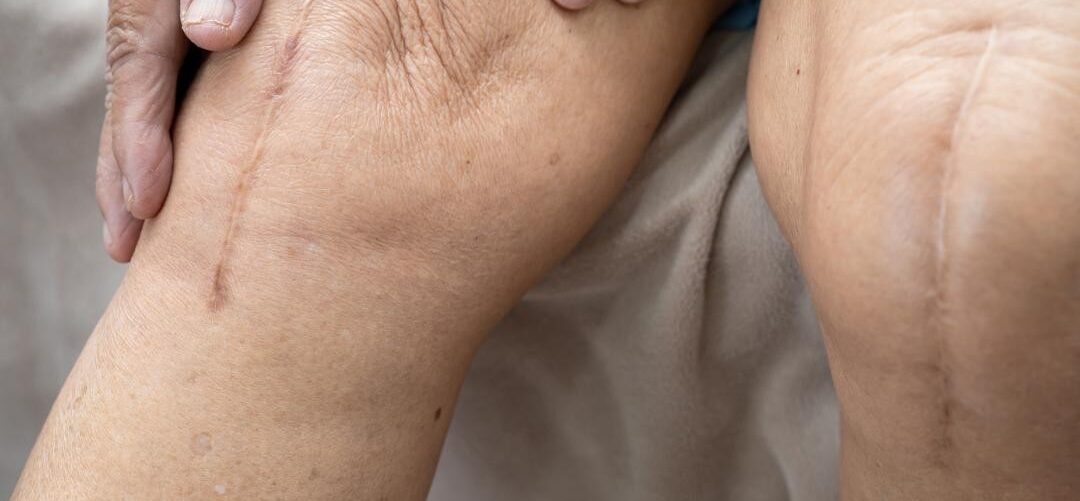
Atrophic scars are depressions in the skin caused by insufficient collagen production during the wound healing process. Unlike hypertrophic or keloid scars, these lesions result in a loss of tissue, creating a sunken or pitted appearance. They are most commonly associated with acne but may also develop following trauma, surgical procedures, or inflammatory skin conditions.
Etiology and Contributing Factors
The formation of atrophic scars is multifactorial and involves both intrinsic and extrinsic factors:
- Chronic inflammatory acne
- Delayed or impaired wound healing
- Genetic predisposition
- Collagen degradation exceeding synthesis
- Inadequate or improper treatment of active acne lesions
Environmental contributors such as UV exposure and oxidative stress can further exacerbate collagen breakdown and worsen scar appearance over time.
Atrophic scars are not limited to acne; they can result from any condition that leads to loss of collagen and underlying dermal tissue. In addition to acne, they commonly occur after surgical procedures when healing is impaired, creating sunken or depressed linear scars. Traumatic injuries such as cuts, burns, or accidents can also lead to atrophic scarring due to tissue loss during the healing process. Another well-known cause is chickenpox (varicella), which often leaves small, round, pitted scars similar to ice-pick acne scars. Certain inflammatory or infectious skin conditions, including lupus or infections like leishmaniasis, can destroy skin structure and result in localized atrophy. Additionally, advanced-stage stretch marks (striae alba) are considered a form of atrophic scarring, as they reflect thinning and loss of dermal support. All of these share the same underlying pathology—reduced collagen and dermal volume—despite having different causes.
Clinically, atrophic Acne scars are categorized into three primary subtypes:
- Ice pick scars (deep, narrow tracts)
- Boxcar scars (well-defined edges with broad depressions)
- Rolling scars (undulating, wave-like appearance due to dermal tethering)
Pathophysiology and Mechanisms
Atrophic scar formation is primarily driven by dysregulation in the wound healing cascade. During normal healing, fibroblasts synthesize collagen (primarily Type I and III) to repair tissue. In atrophic scars, this process is impaired due to:
- Reduced fibroblast activity
- Imbalanced matrix metalloproteinases (MMPs)
- Insufficient extracellular matrix deposition
Additionally, fibrotic strands may anchor the dermis to deeper structures, particularly in rolling scars, contributing to visible skin depression.
Advanced Treatment Options
Effective management of atrophic scars requires a multimodal and patient-specific approach. At Vancoderm Academy, we train clinical practitioners in the following evidence-based modalities:
Subcision (Subcutaneous Incisionless Surgery)
Subcision is a gold-standard technique for treating tethered atrophic scars, particularly rolling scars. It involves the insertion of a specialized needle beneath the skin to mechanically release fibrotic strands.
Clinical benefits:
- Immediate improvement in skin elevation
- Stimulation of neocollagenesis
- Enhanced outcomes when combined with adjunct therapies
 Microneedling (Collagen Induction Therapy)
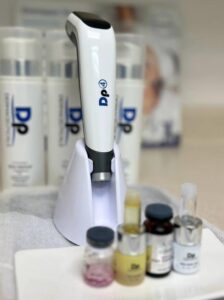
Microneedling creates controlled micro-injuries that trigger collagen remodeling and elastin production. It is effective for superficial to moderate atrophic scars.
 Radiofrequency (RF) Microneedling
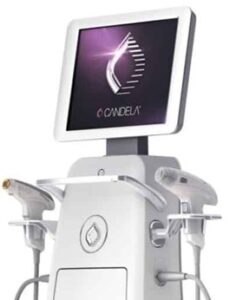
Combining Microneedling with thermal energy enhances dermal remodeling and improves deeper scars by stimulating fibroblast activity at multiple skin depths.
 Laser Resurfacing
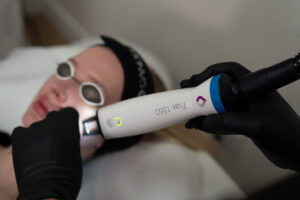
Fractional laser systems (ablative and non-ablative) promote controlled dermal injury, accelerating collagen regeneration and improving texture irregularities.
Chemical Peels
Medium to deep peels can improve superficial scarring by exfoliating damaged layers and promoting skin renewal.
Dermal Fillers
Temporary fillers may be used to elevate depressed scars, particularly in cases requiring immediate cosmetic correction.
Treatment Sessions and Intervals
A structured treatment plan is critical for optimal outcomes:
- Subcision: Typically performed every 4–8 weeks depending on scar severity and healing response
- Microneedling/RF: Recommended in a series of 3–6 sessions at 4-week intervals
- Laser treatments: Spaced 4–6 weeks apart depending on device and skin type
- Combination protocols: Customized scheduling based on modality synergy and patient tolerance
Clinical assessment and documentation at each stage are essential to evaluate progress and adjust protocols.
Combination Therapy: The Gold Standard
Monotherapy rarely delivers optimal results in atrophic scar management. Combination therapy—integrating Subcision, energy-based devices, and topical or injectable treatments—offers superior clinical outcomes by targeting multiple layers and mechanisms simultaneously.
For example:
- Subcision + RF Microneedling → release + collagen stimulation
- Laser + PRP → resurfacing + enhanced healing
- Microneedling + chemical peels → texture refinement + cellular turnover
At Vancoderm Academy, students are trained to design customized, evidence-based treatment plans that maximize safety and efficacy.
Why Clinical Training Matters
Treating atrophic scars requires advanced anatomical knowledge, precision techniques, and an understanding of skin physiology. Improper treatment can lead to complications such as post-inflammatory hyperpigmentation, infection, or worsening of scars.
Our Clinical Practitioner Specialist Diploma in Medical Aesthetics provides:
- Hands-on training on real models
- Exposure to advanced technologies
- Medically supervised protocols
- Comprehensive skin assessment methodologies
Start Your Career in Advanced Medical Aesthetics
As demand for non-surgical skin rejuvenation continues to grow, expertise in treating atrophic scars is a highly valuable clinical skill. At Vancoderm Academy, we prepare you to confidently perform advanced procedures using industry-leading techniques and technologies.
Enroll today to gain hands-on experience, clinical knowledge, and certification in advanced scar revision treatments.