 Vancodermadmin
Understanding the Difference Between Aesthetics and Medical Aesthetics: What Future Students Need to Know
Sanaz Safa / Clinical Practitioner Specialist in Medical Aesthetics at Vancoderm Academy and College / Vancoderm Clinic (VDCMed)
The beauty and wellness industry continues to grow rapidly across Canada, and with that growth comes an increasing number of educational programs offering diplomas in aesthetics and medical aesthetics. For many prospective students, these titles can sound very similar. However, the education, training, career pathways, and clinical responsibilities associated with each field can be dramatically different.
As a result, many students enroll in programs believing they are training to become medical aestheticians, only to later realize that their education focused primarily on traditional spa aesthetics. This misunderstanding can lead to disappointment, additional educational costs, and delayed career opportunities.
For anyone considering a future in this industry, understanding the distinction between an aesthetician and a medical aesthetician is essential before choosing a school or training program.
What Is Traditional Aesthetics?
Traditional aesthetics primarily focuses on spa and beauty services designed to enhance appearance and provide relaxation and self-care. These programs often include training in:
- Basic facials
- Waxing and hair removal
- Nail technician
- Makeup artist
- Lash and brow services
- Spa treatments
- Relaxation-based skincare
These skills are valuable and continue to play an important role in the beauty industry. Graduates may pursue careers in spas, salons, beauty boutiques, or wellness centers.
However, traditional aesthetics education is not the same as medical aesthetics training.
 What Is Medical Aesthetics?
Medical aesthetics is a more advanced and clinically focused field that combines skincare science, technology, anatomy, and evidence-based treatment protocols. Medical aestheticians often work alongside physicians, nurse practitioners, dermatologists, plastic surgeons, or in medical aesthetic clinics.
A comprehensive medical aesthetics education in Vancouver includes subjects such as:
- Skin anatomy and physiology
- Skin conditions and disorders
- Advanced skin analysis
- Cosmetic chemistry and ingredients
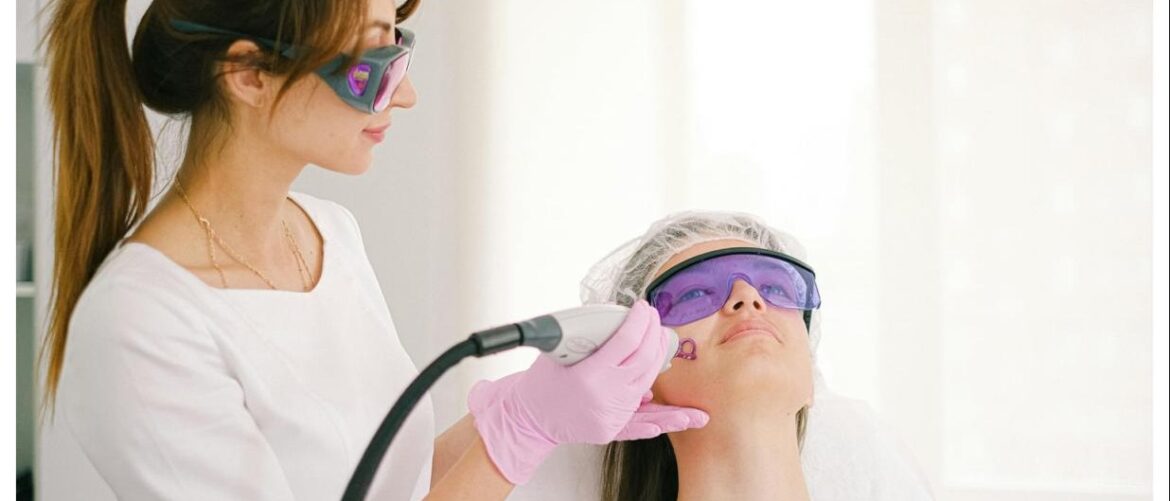
- Laser hair reduction
- Cosmetic Laser skin rejuvenation
- Microneedling, Dermal Pen
- RF Microneedling
- Body contouring technologies
- Trichology and scalp health
- Chemical exfoliation
- Infection prevention and safety protocols
- Treatment planning and consultations
- Medical-grade skincare recommendations
- Contraindications and client assessment,…
Medical aesthetics requires both theoretical understanding and hands-on clinical training. Students must learn not only how to perform treatments, but also why treatments are performed, when they are appropriate, and how to customize protocols safely for different skin types and conditions.
Why Students Need to Research Programs Carefully
One of the biggest challenges in the industry today is that program titles can sometimes create confusion for prospective students. A diploma labeled “medical aesthetics” may not always provide extensive education in medical aesthetic procedures or technologies.
Before enrolling, students should carefully review:
- The full course outline
- Clinical hours and hands-on practice
- The technologies and devices used in training
- Whether the curriculum is medically focused or spa-focused
- Instructor qualifications
- Opportunities for real clinical experience
- Graduate employment pathways
Students should also schedule a school tour whenever possible. Seeing the classrooms, treatment rooms, equipment, and learning environment firsthand can provide valuable insight into the quality and focus of the education being offered.
Asking the Right Questions
Prospective students should feel confident asking schools questions such as:
What percentage of the program focuses on medical aesthetic procedures?
How much hands-on device training is included?
Are students learning advanced technologies used in modern medical clinics?
Does the program include skin science and treatment planning?
Are graduates prepared to work in medical aesthetic clinics?
These questions help students make informed decisions about whether a program aligns with their long-term career goals.
Building a Career in a Rapidly Evolving Industry
The medical aesthetics industry continues to evolve with new technologies, advanced treatment protocols, and increasing demand for clinically trained professionals. Today’s employers are often seeking graduates who understand both the science of skin and the safe operation of advanced aesthetic technologies.
For students passionate about advanced skincare, laser technologies, rejuvenation treatments, scalp health, and clinical aesthetics, choosing the right educational foundation is one of the most important investments they can make in their future.
Education should not only provide a diploma, but it should also provide the knowledge, confidence, and practical skills necessary to succeed in the field students truly want to enter.
Both traditional aesthetics and medical aesthetics are valuable professions with unique career opportunities. Neither path is “better” than the other, but they are different.
The most important step for any future student is clarity. Understanding exactly what is being taught, what skills are being developed, and what career path a program supports can help students avoid confusion, save time and money, and build a career aligned with their goals.
As the industry continues to grow, informed educational choices will play a critical role in shaping the next generation of skilled and ethical aesthetic professionals.