
 Vancodermadmin
MFU-V and Ultrasound Skin Treatments
 Faramarz Rafie MD / Vancoderm Academy and College [VDA] / Vancoderm Clinic [VDCmed]
Keywords: Vancoderm Academy, Medical Aesthetics Diploma, Ultrasound Skin Treatments, MFU-V, Microfocused Ultrasound with Visualization, HIFU, Skin Tightening, Non-Surgical Facelift, Medical Aesthetics Training, Skin Rejuvenation, Body Contouring, Aesthetic Education Canada
The Evolution of Ultrasound in Medical Aesthetics
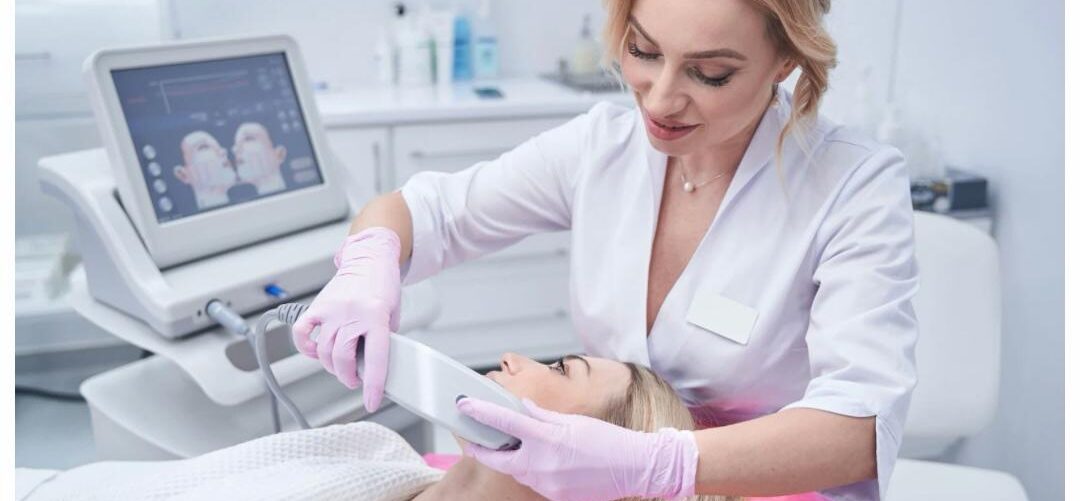
Modern medical aesthetics continues to move toward treatments that deliver effective results with minimal downtime. Among the most advanced technologies available today are ultrasound-based skin rejuvenation treatments, including Microfocused Ultrasound with Visualization (MFU-V) and other focused ultrasound systems. These technologies provide a non-surgical solution for skin tightening, lifting, and collagen stimulation by targeting deeper tissue structures without damaging the skin’s surface.
As the demand for non-invasive facial rejuvenation grows, understanding the science behind ultrasound technology has become essential for aesthetic practitioners. At Vancoderm Academy & College, students learn not only how to perform these treatments but also the underlying physics, tissue interactions, treatment indications, contraindications, and safety considerations that support successful patient outcomes.
What Is Ultrasound Technology?
Ultrasound refers to mechanical sound waves with frequencies above the range of human hearing, typically greater than 20,000 Hz. In medical aesthetics, ultrasound frequencies commonly range between 1 and 10 MHz, depending on the treatment objective and target tissue depth.
Unlike laser technologies that rely on light energy or radiofrequency systems that use electromagnetic currents, ultrasound utilizes mechanical acoustic energy. These sound waves travel through tissue and create biological effects that stimulate skin remodeling, collagen production, and tissue tightening.
Because ultrasound cannot efficiently travel through air, a conductive gel is applied to ensure proper transmission of energy from the device into the skin.
The Physics Behind Ultrasound Treatments
The foundation of ultrasound technology lies in the piezoelectric effect. Within the treatment handpiece are specialized crystals that expand and contract when electrical current is applied. This rapid movement generates high-frequency sound waves that travel through the skin and underlying tissues.
Several physical principles determine how ultrasound affects tissue:
Frequency
Frequency influences treatment depth. Lower frequencies penetrate deeper tissues, while higher frequencies target more superficial structures. This allows practitioners to customize treatments based on the patient’s concerns and anatomical characteristics.
Acoustic Energy
As ultrasound waves pass through tissue, they create microscopic mechanical vibrations. These vibrations can generate thermal energy, stimulate cellular activity, and initiate collagen remodeling.
Tissue Absorption
Different tissues absorb ultrasound differently based on their density and composition. This selective absorption allows ultrasound energy to create therapeutic effects at precise depths while preserving surrounding tissues.
Thermal Coagulation
When focused ultrasound energy converges at a target depth, temperatures can reach approximately 60–70°C. These controlled thermal coagulation points trigger collagen contraction and activate the body’s natural healing response.
Understanding MFU-V: The Next Generation of Ultrasound Technology
Microfocused Ultrasound with Visualization (MFU-V) represents one of the most advanced developments in ultrasound-based skin rejuvenation. MFU-V delivers highly focused ultrasound energy to precise depths within the skin while simultaneously providing real-time imaging of the treatment area.
This visualization capability distinguishes MFU-V from conventional ultrasound and many traditional HIFU systems. Practitioners can view the skin layers before treatment, allowing them to confirm the correct treatment depth and customize the procedure according to the patient’s anatomy.
The imaging component improves treatment precision, consistency, and safety while supporting optimal clinical outcomes.
How MFU-V Works
MFU-V creates tiny thermal coagulation points beneath the skin surface without damaging the epidermis. These micro-injuries stimulate a cascade of biological responses that lead to progressive tissue tightening and lifting.
The treatment initiates:
- Immediate collagen contraction
- Fibroblast activation
- New collagen synthesis
- Elastin remodeling
- Tissue strengthening
- Long-term skin tightening
Unlike treatments that primarily target superficial skin layers, MFU-V can reach deeper structural tissues responsible for facial support.
Targeting the SMAS Layer
One of the most significant advantages of MFU-V is its ability to target the Superficial Musculoaponeurotic System (SMAS). This fibromuscular layer serves as a key structural support network for the face and neck and is the same layer addressed during surgical facelift procedures.
By delivering focused ultrasound energy to the SMAS, MFU-V can produce lifting and tightening effects without surgery, incisions, or extended recovery periods.
Common treatment depths include:
- 1.5 mm for superficial dermal rejuvenation
- 3.0 mm for deeper dermal collagen stimulation
- 4.5 mm for SMAS tightening and lifting
Some systems also offer deeper treatment cartridges for body applications.
Biological Mechanisms of Skin Rejuvenation
The effectiveness of ultrasound treatments is rooted in the body’s natural wound-healing process.
Immediately following treatment, collagen fibers contract due to thermal exposure. This initial contraction contributes to subtle early tightening.
Over the following weeks, fibroblasts become activated and begin producing new collagen and extracellular matrix proteins. During this remodeling phase, tissue quality gradually improves, resulting in enhanced firmness, elasticity, and structural support.
The most noticeable improvements typically occur between three and six months after treatment as collagen maturation continues.
Clinical Applications of Ultrasound and MFU-V
Ultrasound technologies have become versatile tools in modern aesthetic medicine.
Facial Rejuvenation
Common facial applications include:
- Brow lifting
- Forehead tightening
- Cheek lifting
- Jawline contouring
- Neck tightening
- Reduction of mild to moderate skin laxity
- Improvement of fine lines and wrinkles
- Non-surgical facial rejuvenation
Submental Tightening
MFU-V is frequently used to improve the appearance of the area beneath the chin by tightening tissue and enhancing jawline definition.
Body Contouring and Skin Tightening
Certain ultrasound platforms may be used to address:
- Mild skin laxity
- Abdomen
- Upper arms
- Thighs
- Knees
- Décolletage
Collagen Maintenance and Preventive Aging
Many patients seek ultrasound treatments as part of a preventive aging strategy aimed at preserving collagen and delaying visible signs of aging.
Benefits of Ultrasound-Based Skin Treatments
The popularity of ultrasound treatments continues to grow because they offer numerous advantages:
- Non-invasive procedure
- No incisions or sutures
- Minimal downtime
- Natural collagen stimulation
- Progressive and long-lasting results
- Precise treatment depths
- Suitable for various skin types
- Low risk of post-inflammatory hyperpigmentation
- Improvement in skin firmness and elasticity
- Ability to target deeper support structures
Because the skin surface remains largely unaffected, most patients can resume normal activities shortly after treatment.
Contraindications
Despite their excellent safety profile, ultrasound treatments are not suitable for every patient.
Contraindications may include:
- Pregnancy
- Active skin infections
- Open wounds
- Severe inflammatory skin conditions
- Active acne in the treatment area
- Certain implanted electronic devices
- Active cancer in the treatment area
- Bleeding disorders
- Recent surgical procedures without physician clearance
A comprehensive consultation and medical history review are essential before treatment.
Potential Side Effects
Most side effects are temporary and mild.
Patients may experience:
- Redness
- Swelling
- Tenderness
- Tingling sensations
- Mild bruising
- Temporary numbness
- Treatment discomfort
Rare complications may include temporary nerve irritation, prolonged sensitivity, or localized inflammation. Proper practitioner training, anatomical knowledge, and treatment planning significantly reduce these risks.
Why Education Matters in Ultrasound Aesthetics
As aesthetic technologies become increasingly sophisticated, practitioners must understand more than device operation alone. Successful treatment outcomes require knowledge of facial anatomy, ultrasound physics, tissue interactions, patient assessment, contraindications, and treatment customization.
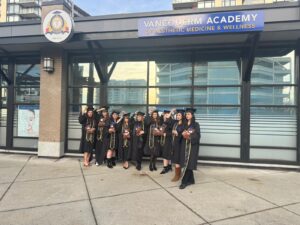 At Vancoderm Academy & College, our Medical Aesthetics Diploma curriculum provides students with a strong scientific foundation combined with practical clinical experience. Students learn how advanced technologies such as ultrasound and MFU-V interact with biological tissues, allowing them to perform treatments safely, confidently, and effectively.
Start Your Career in Medical Aesthetics with Vancoderm Academy & College
The future of aesthetic medicine continues to be driven by innovative technologies that provide effective results without surgery. Ultrasound and MFU-V have transformed the field by offering scientifically proven methods for skin tightening, lifting, and collagen regeneration.
At Vancoderm Academy & College, Medical Aesthetics Diploma students receive comprehensive training in advanced aesthetic technologies, patient assessment, safety protocols, and evidence-based treatment techniques. Through a combination of theoretical education and hands-on clinical practice, graduates are prepared to meet the growing demand for skilled medical aesthetics professionals.
Final Thoughts
Ultrasound technology and MFU-V represent some of the most advanced non-surgical skin rejuvenation solutions available today. By utilizing focused acoustic energy to stimulate collagen remodeling and tighten deeper support structures, these treatments provide natural-looking improvements with minimal downtime. Understanding the science, physics, indications, benefits, and safety considerations behind these procedures is essential for both practitioners and patients seeking effective, evidence-based aesthetic treatments.
Interested in learning advanced aesthetic technologies? Explore the Medical Aesthetics Diploma Program at Vancoderm Academy & College and take the next step toward a rewarding career in medical aesthetics.