 Vancodermadmin
Telomeres and Their Impact on Lifespan
 Faramarz Rafie MD / Vancoderm Academy and College (VDA) / Vancoderm Clinic (VDCMed)
Telomers as Biomarkers of biological aging:
In medical and aesthetic applications, telomeres are increasingly recognized as biomarkers of biological aging rather than chronological age. Telomere length reflects cumulative cellular stress, oxidative damage, and inflammatory burden—factors directly implicated in skin aging, collagen degradation, and impaired wound healing. For students and practitioners at #Vancodermacademy and College, understanding telomere dynamics supports a deeper comprehension of intrinsic and extrinsic aging processes, including photoaging, environmental damage, and the impact of advanced aesthetic treatments on cellular turnover.
At the enzymatic level, telomere maintenance is regulated by telomerase, a reverse transcriptase enzyme composed of a catalytic subunit (TERT) and an RNA template (TERC). While telomerase activity is limited in most somatic cells, it remains active in stem cells and certain regenerative compartments, including basal keratinocytes in the skin. This has significant implications for aesthetic medicine, where treatments aim to stimulate cellular renewal, enhance dermal integrity, and optimize long-term skin health.
From educational standpoint telomeres can be defined as essential molecular structures that link cellular biology, anti-aging science, and medical aesthetics. Their role in regulating cell lifespan, maintaining DNA stability, and influencing tissue regeneration makes them a cornerstone topic in advanced training programs focused on skin rejuvenation, laser therapies, and evidence-based aesthetic practice. Understanding telomere biology equips future practitioners with the scientific foundation required to integrate anti-aging strategies into clinical treatments safely and effectively.
Reasons for Telomeric Reduction:
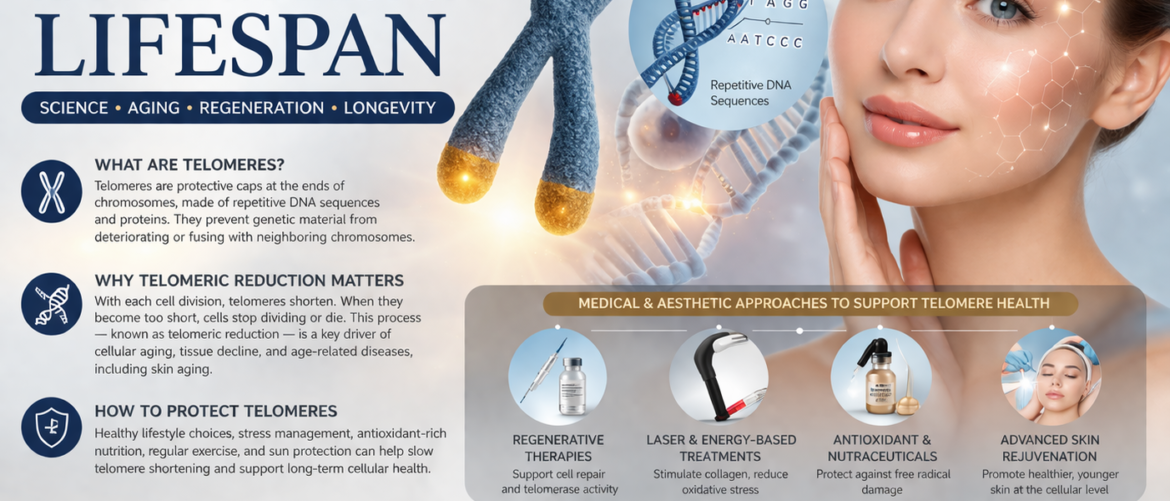
Telomeric reduction occurs as a multifactorial biological process driven by both intrinsic cellular mechanisms and external environmental influences. The primary cause is the end-replication problem, in which DNA polymerase is unable to fully replicate the 3′ ends of linear chromosomes during mitosis, resulting in the progressive loss of telomeric repeats with each cell division. This intrinsic limitation establishes a baseline rate of telomere shortening in all proliferating somatic cells.
Oxidative stress is a major accelerating factor in telomere attrition. Reactive oxygen species (ROS) generated through normal metabolism, ultraviolet (UV) radiation, pollution, and smoking induce direct damage to telomeric DNA, which is particularly vulnerable due to its high guanine content. Unlike other genomic regions, telomeres have limited DNA repair capacity, making oxidative injury more impactful and leading to faster shortening.
Chronic inflammation also contributes significantly to telomeric reduction. Persistent inflammatory states increase cellular turnover and elevate oxidative stress, both of which accelerate telomere loss. Pro-inflammatory cytokines promote repeated cycles of cell division, especially in immune and epithelial cells, further compounding telomere attrition over time.
Lifestyle and environmental factors play a critical role in modulating telomere length. Poor nutrition, particularly diets low in antioxidants and essential micronutrients, can impair the body’s ability to counteract oxidative damage. Physical inactivity, chronic psychological stress, and inadequate sleep have all been associated with increased telomere shortening through hormonal dysregulation and elevated cortisol levels.
Additionally, reduced telomerase activity contributes to telomeric reduction. In most somatic cells, telomerase is minimally active or absent, limiting the cell’s ability to replenish lost telomeric sequences. Certain genetic factors and age-related decline in cellular repair mechanisms further exacerbate this process.
In clinical and medical aesthetics contexts, factors such as chronic UV exposure (photoaging), environmental toxins, and repeated tissue stress are particularly relevant, as they accelerate telomere shortening in skin cells, leading to decreased regenerative capacity, collagen breakdown, and visible signs of aging.
How to Prevent Telomeric Reduction
Preventing or slowing telomeric reduction requires a multifactorial, medically grounded approach focused on minimizing cellular stress, enhancing repair mechanisms, and supporting overall metabolic health. One of the most critical strategies is reducing oxidative stress, as reactive oxygen species directly damage telomeric DNA. This can be achieved through a diet rich in antioxidants, including vitamins C and E, polyphenols, and carotenoids, which help neutralize free radicals and protect chromosomal integrity. Nutritional patterns emphasizing whole foods, such as fruits, vegetables, healthy fats, and omega-3 fatty acids, have been associated with improved telomere maintenance.
Regular physical activity is another key factor, as it has been shown to enhance telomerase activity and reduce systemic inflammation. Moderate, consistent exercise improves mitochondrial function, decreases oxidative burden, and supports cellular longevity. However, excessive or high-intensity overtraining without recovery may have the opposite effect by increasing oxidative stress, highlighting the importance of balance in exercise regimens.
Chronic psychological stress is strongly linked to accelerated telomere shortening through sustained elevation of cortisol and pro-inflammatory mediators. Effective stress management techniques—such as mindfulness, controlled breathing, and adequate rest—can significantly mitigate this impact. Quality sleep is equally important, as it supports hormonal regulation, DNA repair processes, and overall cellular recovery.
From a clinical perspective, minimizing environmental and lifestyle-related damage is essential. Protection against ultraviolet radiation through the use of medical-grade sunscreen and avoidance of excessive sun exposure is particularly important in preventing telomere damage in skin cells. Avoiding smoking and reducing exposure to environmental toxins further decreases oxidative and inflammatory stress on cellular structures.
Emerging medical strategies focus on supporting telomerase activity and cellular repair, particularly in regenerative medicine and anti-aging therapies. While direct telomerase activation remains an area of ongoing research due to potential oncogenic risks, certain interventions—such as maintaining metabolic health, optimizing micronutrient status, and supporting stem cell function—may indirectly contribute to preserving telomere length.
In the context of medical aesthetics and skin health, preserving telomere integrity translates into improved cellular turnover, enhanced collagen production, and delayed visible aging, reinforcing the importance of integrating lifestyle, nutritional, and clinical strategies for long-term cellular longevity.
Medically, telomeric reduction is primarily addressed by strategies that either slow further shortening, enhance cellular repair mechanisms, or, in experimental contexts, activate telomerase safely. Pharmacological approaches under research include telomerase activators, such as small-molecule compounds and natural extracts (e.g., TA-65 derived from Astragalus membranaceus), which may partially restore telomere length in somatic cells. Antioxidant therapy is another medically supported approach, using vitamins, polyphenols, and omega-3 fatty acids to reduce oxidative damage to telomeres. Management of chronic inflammation through anti-inflammatory agents, lifestyle modification, and metabolic optimization can also reduce telomere attrition. Clinically, controlling risk factors such as obesity, diabetes, and cardiovascular stress is crucial because these conditions accelerate telomeric shortening.
In the field of medical aesthetics, treatments focus on minimizing telomere-related cellular aging by promoting skin regeneration, enhancing collagen synthesis, and reducing oxidative and inflammatory stress in dermal cells. Procedures such as fractional laser resurfacing, Microneedling, and platelet-rich plasma (PRP) therapy stimulate dermal stem cells, enhance cellular turnover, and may indirectly support telomere maintenance in skin tissues. Non-invasive therapies, including low-level laser therapy (LLLT) and radiofrequency-based skin tightening, improve mitochondrial function and cellular metabolism, which can mitigate the functional consequences of telomere shortening. Additionally, topical antioxidant formulations, growth factor serums, and retinoid-based therapies protect keratinocytes and fibroblasts from oxidative stress, supporting longer telomere integrity at the cellular level.
Combining these strategies—medical interventions to preserve telomeres systemically and aesthetic procedures to enhance localized cellular renewal—forms a comprehensive approach. This dual focus not only addresses the molecular mechanisms of telomere shortening but also improves visible skin quality, regenerative capacity, and overall biological aging, aligning with the evidence-based principles taught at Vancoderm Academy and College in medical aesthetics and anti-aging programs.
 About Vancoderm Academy and College (VDA) and VDCMed(Vancoderm Clinic)
About Vancoderm Academy and College
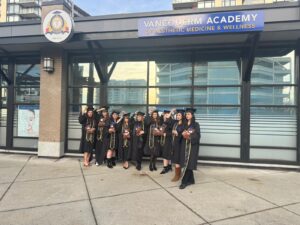
Vancoderm Academy and College is a leading institution specializing in medical aesthetics education and advanced clinical training, providing comprehensive programs for aspiring aesthetic practitioners. With a strong focus on evidence-based techniques, VDCMed offers treatment services that integrate the latest advancements in skin rejuvenation, anti-aging therapies, and regenerative procedures. Students at Vancoderm Academy and College gain hands-on experience in medical aesthetics, learning to apply scientifically proven interventions, including Cosmetic laser therapies, Microneedling, Exosomes Therapy, Mesotherapy, and advanced skincare protocols. By combining professional education with access to VDCMed’s treatment services, the Vancoderm Academy ensures that graduates are equipped with both the theoretical knowledge and practical skills required to excel in the aesthetic and dermatology industry. This holistic approach makes Vancoderm Academy and College a premier choice for individuals seeking careers in medical aesthetics, skincare innovation, and anti-aging treatments.