
 Vancodermadmin
Understanding Cellulite: Epidemiology, Causes, Prevention, and Modern Treatment Approaches
 Faramarz Rafie MD / Weekly Educational Blog – Vancoderm Academy & College / Vancoderm Clinic (VDCMed)
Understanding Cellulite: Causes, Epidemiology, Prevention, and Modern Treatment Approaches
Weekly Blog – Vancoderm Academy & College
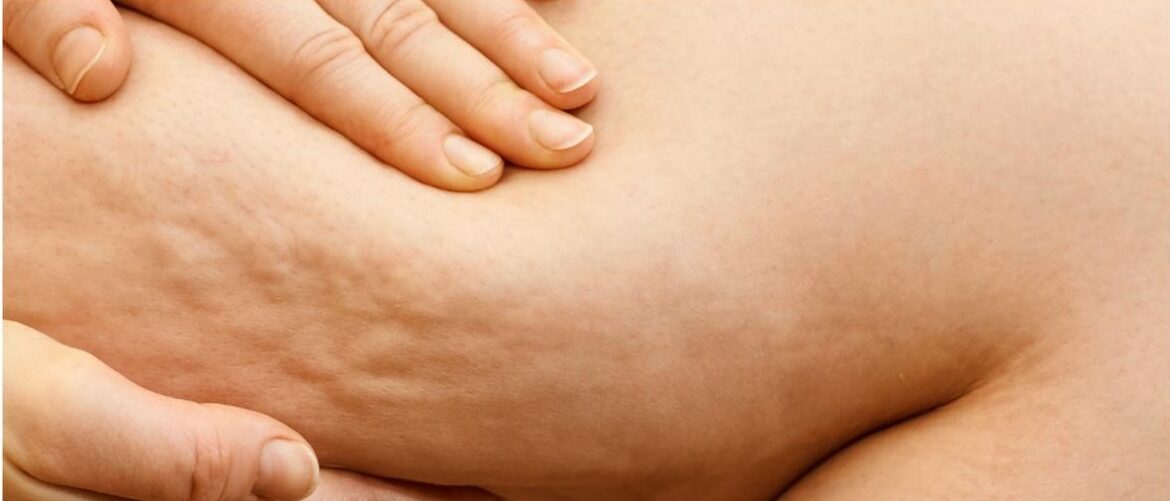
Cellulite is one of the most common concerns encountered in medical aesthetics, body contouring, and skin rejuvenation practice. Medically referred to as gynoid lipodystrophy, cellulite presents as dimpling, uneven skin texture, or an “orange peel” appearance that commonly affects the thighs, buttocks, hips, abdomen, and upper arms. Although cellulite is often associated with excess body fat, it is actually a multifactorial condition involving connective tissue structure, adipose tissue, microcirculation, lymphatic drainage, skin elasticity, inflammation, and hormonal influence. Understanding cellulite from a medical and scientific perspective is essential for aesthetic practitioners working in advanced body contouring and non-invasive aesthetic medicine.
Cellulite affects approximately 80–90% of post-pubertal women worldwide and can occur in individuals of all body types, including thin, athletic, normal-weight, overweight, and obese patients. One of the most common misconceptions is that cellulite is caused exclusively by obesity. In reality, cellulite and obesity are distinct conditions. Obesity involves excessive adipose tissue accumulation and metabolic dysfunction, whereas cellulite primarily involves structural alterations within the connective tissue and dermal layers. However, increased adipose tissue volume may worsen cellulite severity by increasing pressure within the subcutaneous tissues and impairing circulation and lymphatic drainage.
The significantly higher prevalence of cellulite in women is largely related to anatomical and hormonal differences. Female connective tissue fibers are arranged vertically, allowing fat cells to protrude upward toward the skin surface, producing the characteristic dimpling effect. In males, connective tissue fibers form a more cross-linked pattern that provides stronger structural support beneath the skin. Hormonal influences, particularly estrogen, also contribute to cellulite development by affecting fat distribution, vascular permeability, connective tissue laxity, and fluid retention. Hormonal changes during puberty, pregnancy, menopause, and aging may therefore increase cellulite visibility.
The pathophysiology of cellulite involves several interconnected mechanisms. Enlarged adipocytes place upward pressure against the dermis while fibrous connective tissue septae tether portions of the skin downward, creating visible irregularities and depressions. Impaired blood circulation and lymphatic drainage may contribute to edema, inflammation, tissue fibrosis, and reduced oxygen delivery. Over time, these changes weaken connective tissue integrity and skin elasticity, worsening the appearance of cellulite. Aging further contributes through collagen degradation and reduced dermal support.
Cellulite is also frequently associated with poor circulation, venous insufficiency, edema, and varicose veins. Impaired venous return can lead to fluid accumulation, tissue congestion, inflammation, and reduced oxygenation within the subcutaneous tissues. Patients with varicose veins commonly experience heaviness, swelling, lower extremity discomfort, and impaired circulation, all of which may aggravate cellulite severity. For this reason, proper vascular and lymphatic assessment is an essential component of professional body contouring consultation and treatment planning.
Although cellulite itself is not life-threatening and is not associated with mortality, it may contribute to physical discomfort and psychological distress. Some patients experience reduced self-confidence and body image concerns related to skin texture irregularities. Cellulite may also coexist with edema, connective tissue fibrosis, poor lymphatic circulation, and reduced tissue mobility. Understanding the multifactorial nature of cellulite allows practitioners to establish realistic treatment goals and evidence-based treatment plans.
Several risk factors contribute to cellulite development and progression. Non-modifiable factors include genetics, female gender, hormonal profile, and aging. Modifiable risk factors include sedentary lifestyle, smoking, chronic inflammation, dehydration, poor nutrition, weight fluctuations, and impaired circulation. Smoking negatively affects collagen production and vascular health, accelerating connective tissue degeneration and skin aging. Maintaining healthy circulation, connective tissue integrity, and stable body composition therefore plays an important role in cellulite prevention and management.
Although cellulite cannot always be completely prevented, healthy lifestyle practices may significantly reduce its severity and progression. Regular physical activity improves circulation, muscle tone, lymphatic flow, and overall body composition. Balanced nutrition supports connective tissue health, collagen production, and reduction of systemic inflammation. Adequate hydration, sufficient protein intake, antioxidant-rich foods, and minimizing excessive processed foods and sodium intake may also improve skin and vascular health. Weight management and smoking cessation are additional important preventative strategies.
Modern cellulite reduction and body contouring treatments focus on improving circulation, lymphatic drainage, connective tissue remodeling, collagen stimulation, skin tightening, and reduction of tissue fibrosis. Today’s advanced non-invasive body contouring technologies utilize combinations of mechanical tissue stimulation, radiofrequency energy, ultrasound technologies, vacuum-assisted massage, acoustic wave therapy, laser-assisted treatments, and electromagnetic muscle stimulation to target multiple layers of tissue simultaneously.
Among the newer treatment options in medical aesthetics are advanced radiofrequency body contouring systems that combine thermal stimulation with tissue mobilization to improve collagen remodeling and skin tightening. Fractional radiofrequency technologies are increasingly utilized to stimulate dermal regeneration and improve skin texture irregularities associated with cellulite. High-intensity focused ultrasound treatments may target deeper adipose tissue layers while promoting tissue tightening and contour improvement.
Acoustic wave and vibration-based therapies are also gaining popularity due to their ability to improve microcirculation, stimulate connective tissue remodeling, and reduce fibrotic tissue adhesions associated with cellulite dimpling. In addition, advanced vacuum-assisted tissue mobilization systems are used to improve lymphatic drainage, reduce fluid retention, and enhance tissue oxygenation and circulation.
Electromagnetic muscle stimulation technologies represent another modern innovation in body contouring. These treatments induce supramaximal muscle contractions that may improve muscle tone, support metabolic activity, and enhance body contouring outcomes when combined with cellulite reduction protocols. Combination therapies integrating muscle stimulation with radiofrequency or tissue remodeling technologies are becoming increasingly common in advanced aesthetic clinics.
Injectable biostimulatory treatments and collagen-enhancing procedures are also emerging as advanced cellulite management options. Certain minimally invasive treatments target fibrous connective tissue bands responsible for skin dimpling while stimulating collagen production and improving dermal thickness. These approaches may provide longer-lasting improvement in selected patients when performed appropriately and combined with supportive maintenance therapies.
Artificial intelligence-assisted body analysis and digital skin imaging technologies are also becoming integrated into modern aesthetic consultation and treatment planning. These systems allow practitioners to evaluate cellulite severity, tissue laxity, body composition, and treatment progress more accurately, contributing to personalized and evidence-based treatment protocols.
Despite significant advances in aesthetic medicine, there is currently no single permanent cure for cellulite. Successful management typically requires individualized multimodal treatment protocols combined with lifestyle optimization and maintenance therapy. Proper patient assessment remains essential before initiating treatment. Practitioners must differentiate cellulite from obesity, lipedema, lymphedema, edema disorders, and vascular conditions to ensure safe and effective treatment planning.
From a professional medical aesthetics perspective, patient education remains one of the most important components of cellulite management. Practitioners should explain that cellulite is an extremely common physiological condition influenced by connective tissue structure, hormones, circulation, aging, and lifestyle factors. Treatment goals should focus on improving skin texture, circulation, tissue quality, and body contour through evidence-based and individualized treatment approaches rather than promising unrealistic permanent elimination.
At Vancoderm Academy & College, students learn cellulite assessment, advanced body contouring principles, and modern non-invasive aesthetic technologies through a medically oriented and evidence-based approach. Comprehensive education in anatomy, circulation, lymphatic physiology, connective tissue function, skin rejuvenation, and advanced body contouring technologies prepares future practitioners to safely and effectively manage cellulite and body contouring concerns within modern medical aesthetics practice.