
 Vancodermadmin
Trichotillomania: Hair Pulling Disorder
Causes, Diagnosis, Treatment, and the Role of Medical Aesthetics Professionals
 Faramarz Rafie MD / Vancoderm Academy and College [VDA] / Vancoderm Clinic [VDCmed]
Introduction
Hair loss is one of the most common reasons individuals seek professional advice from dermatologists and medical aesthetics practitioners. While conditions such as androgenetic alopecia, telogen effluvium, and alopecia areata are well recognized, not all forms of hair loss originate from diseases affecting the hair follicle. One important condition that every medical aesthetics professional should understand is trichotillomania, a psychiatric disorder that manifests as hair loss through repetitive self-induced hair pulling. Early recognition of this condition is essential because its management differs significantly from other forms of alopecia. Rather than relying solely on topical treatments or aesthetic procedures, successful management requires behavioral, psychological, and medical intervention. At Vancoderm Academy and College, students receive comprehensive education in trichology, scalp disorders, patient consultation, differential diagnosis, and referral protocols, enabling graduates to recognize complex hair disorders and provide safe, ethical, and evidence-based patient care.
Definition of Trichotillomania
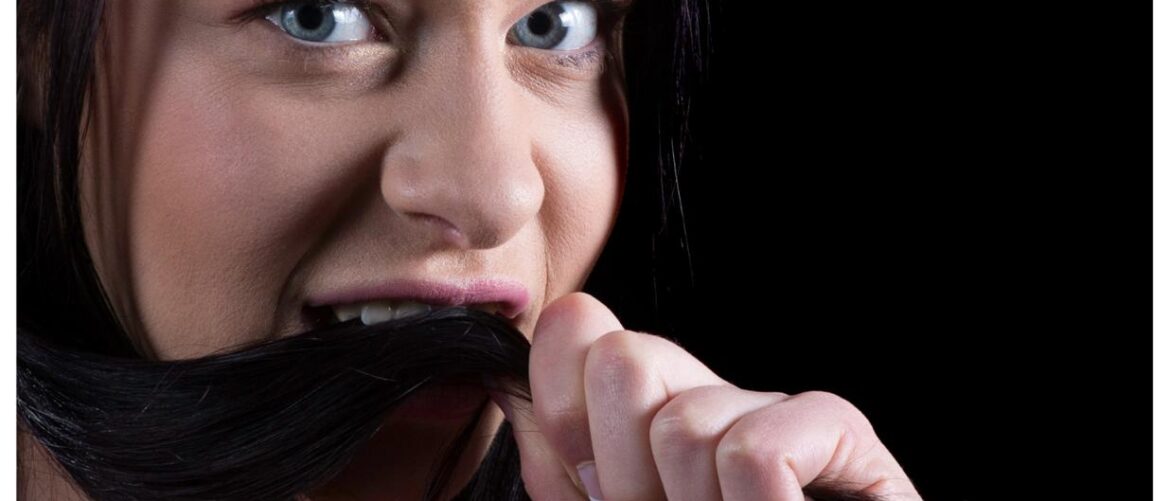
Trichotillomania, commonly referred to as Hair-Pulling Disorder, is classified in the Diagnostic and Statistical Manual of Mental Disorders (DSM-5) as one of the obsessive-compulsive and related disorders. It is characterized by recurrent, irresistible urges to pull out one’s own hair, resulting in noticeable hair loss and significant emotional distress or impairment in daily functioning. Individuals often make repeated attempts to stop the behavior but find it difficult to control. Hair pulling may occur consciously during periods of emotional distress or automatically without the individual’s awareness while reading, studying, watching television, or using electronic devices. The behavior is typically followed by a temporary sense of relief or gratification, reinforcing the repetitive cycle.
Etiology
The exact cause of trichotillomania remains incompletely understood, and current evidence suggests that multiple biological, psychological, and environmental factors contribute to its development. Genetic predisposition appears to play a role, as individuals with family members affected by obsessive-compulsive disorder, anxiety disorders, or trichotillomania have an increased risk of developing the condition. Neurobiological studies have identified abnormalities involving serotonin, dopamine, glutamate, and cortico-striatal neural pathways that regulate impulse control and reward mechanisms. Psychological factors such as anxiety, depression, emotional stress, perfectionism, frustration, boredom, and loneliness frequently trigger hair-pulling episodes. Environmental stressors, including academic pressure, workplace demands, interpersonal conflicts, traumatic experiences, and sleep deprivation, may further exacerbate the disorder in susceptible individuals.
Signs and Symptoms
Patients with trichotillomania usually present with irregular, patchy areas of non-scarring hair loss that differ considerably from other forms of alopecia. The affected areas often contain hairs of varying lengths because some hairs are partially broken while others have been completely removed. The scalp is the most commonly affected site, although eyebrows, eyelashes, beard, chest, arms, legs, and pubic hair may also be involved. Clinical examination typically reveals broken hairs, black dots, sparse hair density, and relatively healthy underlying skin with minimal inflammation or scaling. Many patients deny or minimize their hair-pulling behavior due to embarrassment or fear of judgment, making careful observation and sensitive communication particularly important during consultation.
Relationship with Mood Disorders
Trichotillomania is strongly associated with several psychiatric and mood disorders, making interdisciplinary management essential. Many individuals experience coexisting anxiety disorders, major depressive disorder, obsessive-compulsive disorder, attention-deficit/hyperactivity disorder, post-traumatic stress disorder, or other body-focused repetitive behavior disorders. Hair pulling frequently serves as a coping mechanism to reduce emotional tension, anxiety, sadness, or psychological discomfort. Although patients often experience temporary relief immediately after pulling their hair, feelings of guilt, shame, embarrassment, and social withdrawal commonly follow, perpetuating the cycle of emotional distress. Understanding these psychological associations enables medical aesthetics professionals to recognize when referral to mental health specialists is appropriate.
Types of Hair Pulling and Hair Loss
Hair pulling in trichotillomania generally occurs in two distinct behavioral patterns. Focused pulling is intentional and usually occurs during periods of stress, anxiety, or emotional discomfort, when individuals consciously remove hairs to relieve internal tension. Automatic pulling, in contrast, occurs with little or no awareness during routine activities such as studying, reading, watching television, or driving. Many patients exhibit a combination of both behaviors. The resulting hair loss is typically non-scarring and irregular, with patches of incomplete alopecia, broken hairs of different lengths, thinning eyebrows or eyelashes, and multiple affected body sites. Because the hair follicles usually remain intact, normal hair growth can often resume once the pulling behavior is successfully controlled.
Epidemiology
Trichotillomania affects approximately one to two percent of the general population and is believed to be significantly underdiagnosed because many individuals conceal their symptoms. The disorder most commonly develops between the ages of 10 and 13 years, although it can occur at any stage of life. During childhood, males and females appear to be affected at similar rates; however, after puberty the condition becomes considerably more common in females. The disorder often follows a chronic course characterized by periods of improvement and relapse, particularly during times of increased emotional stress.
Diagnosis
Accurate diagnosis requires a comprehensive clinical assessment that includes a detailed medical history, psychological evaluation, and physical examination of the scalp and affected areas. Patients should be questioned about the onset of hair loss, emotional triggers, previous psychiatric diagnoses, stress levels, and family history of similar conditions. Clinical examination focuses on identifying irregular patches of hair loss, fractured hair shafts, and the absence of inflammatory scalp disease. Dermoscopy, also known as Trichoscopy, has become an invaluable diagnostic tool and may reveal characteristic findings such as broken hairs, coiled hairs, black dots, flame hairs, tulip hairs, hair powder, and the V-sign. These findings help distinguish trichotillomania from alopecia areata, telogen effluvium, traction alopecia, tinea capitis, androgenetic alopecia, and various scarring alopecias. Because the disorder has a significant psychological component, referral for psychiatric or psychological assessment is often recommended.
Treatment
The management of trichotillomania requires a multidisciplinary approach involving dermatologists, psychiatrists, psychologists, and other healthcare professionals. Cognitive Behavioral Therapy (CBT) remains the first-line treatment because it helps patients recognize emotional triggers, modify maladaptive thought patterns, and develop healthier coping strategies. Habit Reversal Training (HRT), a specialized form of behavioral therapy, has demonstrated excellent clinical outcomes by teaching patients to recognize the urge to pull hair and replace it with competing behaviors that interrupt the habit. Acceptance and Commitment Therapy (ACT) may also be incorporated to improve emotional regulation and reduce compulsive behaviors. In selected patients, physicians may prescribe medications such as selective serotonin reuptake inhibitors (SSRIs), clomipramine, or N-acetylcysteine (NAC), particularly when anxiety, depression, or obsessive-compulsive symptoms coexist. Since the hair follicles generally remain viable, substantial hair regrowth often occurs after the hair-pulling behavior is successfully controlled, although prolonged repetitive trauma may occasionally result in permanent follicular damage.
The Role of Medical Aesthetics Professionals
Medical aesthetics professionals play an important role in identifying abnormal patterns of hair loss during patient consultations. Although they do not diagnose psychiatric disorders or prescribe psychological treatment, they are often among the first healthcare providers to recognize clinical features suggestive of trichotillomania. Their responsibilities include obtaining a thorough consultation, performing a detailed scalp assessment, differentiating trichotillomania from other forms of alopecia, educating patients about the condition with empathy and professionalism, avoiding inappropriate cosmetic procedures, and referring patients to dermatologists, family physicians, or mental health professionals when necessary. This collaborative approach improves patient outcomes while ensuring ethical practice within the medical aesthetics profession.
Learning Trichology at Vancoderm Academy and College
At Vancoderm Academy and College, future medical aesthetics professionals receive comprehensive education in trichology as part of an evidence-based curriculum designed to meet the growing demand for knowledgeable practitioners. Students study hair anatomy and physiology, the hair growth cycle, common and uncommon scalp disorders, inflammatory and non-inflammatory alopecias, scalp consultation techniques, dermoscopy fundamentals, differential diagnosis, evidence-based treatment options, and appropriate referral protocols. The curriculum combines extensive theoretical instruction with practical clinical training, enabling graduates to confidently recognize hair and scalp disorders while understanding the limitations of aesthetic practice and the importance of interdisciplinary patient care.
C onclusion
Trichotillomania is a complex psychodermatologic disorder that highlights the close relationship between mental health and hair biology. Although patients usually seek treatment because of visible hair loss, successful management depends on recognizing the underlying behavioral disorder rather than focusing solely on cosmetic concerns. Medical aesthetics professionals who possess a strong understanding of trichology, differential diagnosis, and patient referral play an essential role in the early identification and appropriate management of this condition. Through comprehensive education in hair science, scalp disorders, and evidence-based clinical practice, Vancoderm Academy and College prepares graduates to provide safe, ethical, and patient-centered care while contributing to improved outcomes for individuals experiencing hair and scalp disorders.